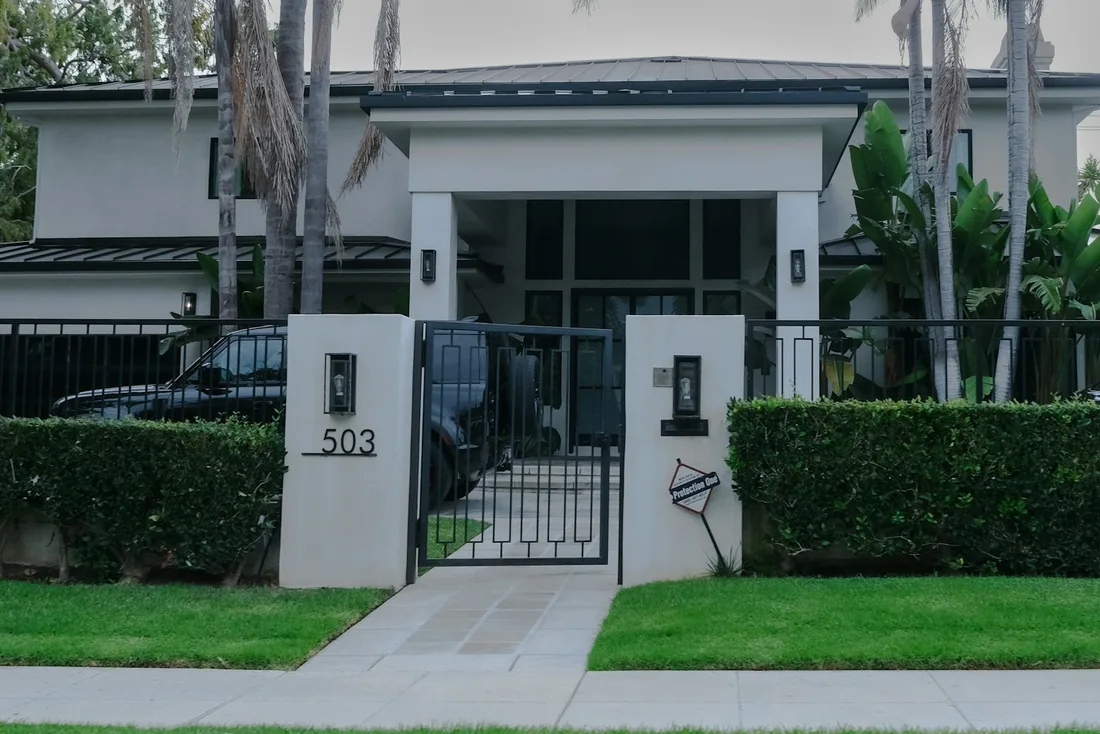
Otay Ranch vs Eastlake: adjacent, not identical.
They border each other, they built out in overlapping decades, and the portals blur them constantly. The differences are real — and they show up on your tax bill.
Otay Ranch and Eastlake are separate master-planned communities in eastern Chula Vista — separate development plans, separate associations, separate assessment districts. Eastlake generally built out earlier around its lake communities; Otay Ranch is newer on average, organised as numbered villages. Portals merge them because algorithmic boundary polygons drift across the real planning boundaries.
Two plans, one hillside
Eastern Chula Vista is a quilt of master plans built shoulder to shoulder: Eastlake, Otay Ranch, Rolling Hills Ranch, San Miguel Ranch, Rancho del Rey. From the street — or from a portal's map — the seams are invisible. On paper they are absolute: each community has its own general development plan with the City, its own association structures, its own Community Facilities Districts, and its own history. Eastlake's build-out generally came earlier, anchored by its lake-oriented communities; Otay Ranch's numbered villages came in waves that are still arriving, with Côta Vera building now.
The distinction is practical, not pedantic, because the community a parcel legally belongs to determines documents and dollars. An Eastlake home answers to Eastlake's associations and assessment districts; an Otay Ranch home answers to its village's associations and the Community Facilities Districts that financed Otay Ranch infrastructure — different levies, different amenity obligations, different governing documents. School assignments follow district boundary maps that do not respect either community's marketing name. And because portal neighbourhood polygons are drawn from listing data rather than the City of Chula Vista's planning maps, homes near the seam are routinely labelled with the wrong community — which means researching "the neighbourhood" on a portal can mean researching the wrong neighbourhood entirely. The parcel's title, tax bill and disclosures name the real community; that name is the one to research.
How to use the difference as a buyer
Cross-shopping the two communities is common and sensible — they compete for the same buyers. Do it on parcel-level facts: the actual assessment lines, the actual association obligations, the verified school assignment, and home age and condition. We work both sides of the seam and will tell you plainly when the Eastlake home is the better buy — this site's focus is Otay Ranch, not Otay Ranch über alles.
Going deeper on Eastlake
Eastlake deserves its own coverage and gets it on our county-wide site: the Eastlake guide at San Diego Buy Guy — same broker, wider map. For everything village-level in Otay Ranch, start with the village comparison.
Published 2026-08-05 · Last reviewed 2026-08-05